Mention automation or AI in manufacturing, and the reaction is often immediate.
Robots replacing people. Jobs disappearing. Technology is moving faster than anyone can keep up.
That story makes headlines. It just doesn’t reflect what’s actually happening on factory floors across New Zealand.
Because here, automation and AI aren’t about replacement. They’re about support.
The myth vs the reality
The myth says automation is something you install instead of people.
The reality is more practical.
Across New Zealand manufacturing, automation is being used to:
- Take repetitive or error-prone tasks out of human hands
- support skilled work, not erase it
- improve consistency, safety, and quality
- free people up to solve more complex problems
This isn’t about fully automated factories running in the dark. It’s about smarter systems working alongside people.
Where automation actually shows up
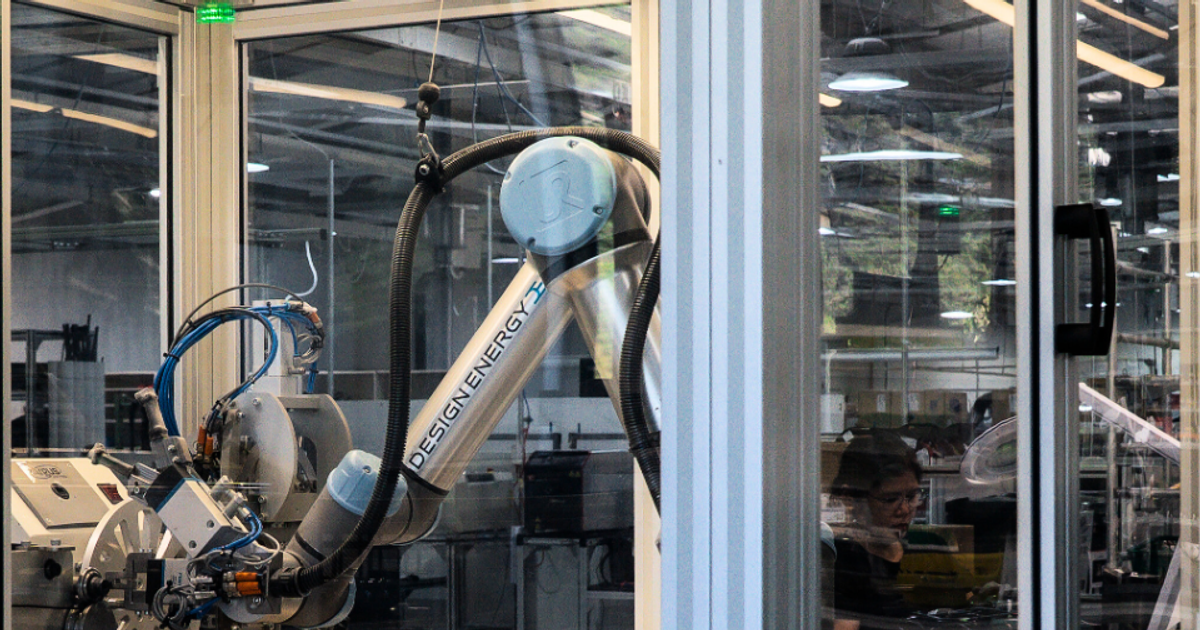
In practice, automation tends to appear in very specific places:
- material handling
- repetitive machining or cutting
- quality checks
- high-risk or high-precision steps
These are the parts of the process where machines excel, not because they’re smarter than people, but because they’re consistent.
People, meanwhile, remain central to:
- setup and oversight
- interpretation and decision-making
- problem-solving when something changes
- continuous improvement
Automation doesn’t remove judgment. It depends on it.
AI as a quality partner, not a black box
The most common use of AI in New Zealand manufacturing today isn’t prediction or optimisation. It’s verification.
Vision systems and machine learning are being used to:
- Check finished products against digital work instructions
- flag anomalies before products leave the factory
- create digital proof of quality
This kind of AI doesn’t make decisions in isolation. It gives teams clearer information — faster.
Quality becomes visible, demonstrable, and repeatable.
Why this works at New Zealand scale
New Zealand manufacturers rarely compete on volume alone.
They compete in:
- trust
- adaptability
- responsiveness
- quality
Automation and AI fit that model when they’re applied thoughtfully.
Rather than chasing full automation, many NZ businesses are:
- layering technology onto existing processes
- starting small and building capability over time
- choosing tools that fit their workforce and scale
The result is not disruption — it’s stability with upside.
People don’t get sidelined — they level up
One of the clearest patterns across the sector is how roles change when automation is introduced.
Operators become:
- technicians
- system owners
- problem-solvers
- mentors
Engineers spend less time firefighting and more time improving flow.
Supervisors gain clearer visibility and better conversations.
Automation doesn’t flatten careers. It often deepens them.
The real risk is doing nothing
Ironically, the biggest risk for manufacturers isn’t adopting automation or AI too quickly.
It’s avoiding them altogether.
Without modern tools:
- Small issues stay hidden
- Rework increases
- Pressure builds at the end of the line
- People carry problems that systems could absorb
Technology, used well, reduces strain. Used poorly, or not at all, it increases it.
Why these stories need to be told
The Future Makers, led by Advancing Manufacturing Aotearoa, exists to show what automation and AI look like when they’re applied in the real world - not in theory.
By sharing how New Zealand manufacturers are using robotics, automation, and AI in practical, people-first ways, The Future Makers helps:
- replace fear with understanding
- show how technology supports skilled work
- highlight the roles emerging alongside new tools
This isn’t about chasing trends. It’s about building capability that lasts.
Automation isn’t the headline — outcomes are
The most successful manufacturers aren’t asking, “How do we automate?”
They’re asking:
- Where are people doing work that machines could support?
- Where are errors costing time and confidence?
- Where would better visibility make a difference?
Automation and AI are just the means. Better outcomes are the goal.
Make your move. Make your mark.
New Zealand manufacturing isn’t being overtaken by automation. It’s shaping it — carefully, deliberately, and on its own terms.
That’s not the future arriving. That’s the future being built.