When people talk about innovation, they often picture whiteboards, brainstorms, and big ideas.
In manufacturing, innovation usually looks different.
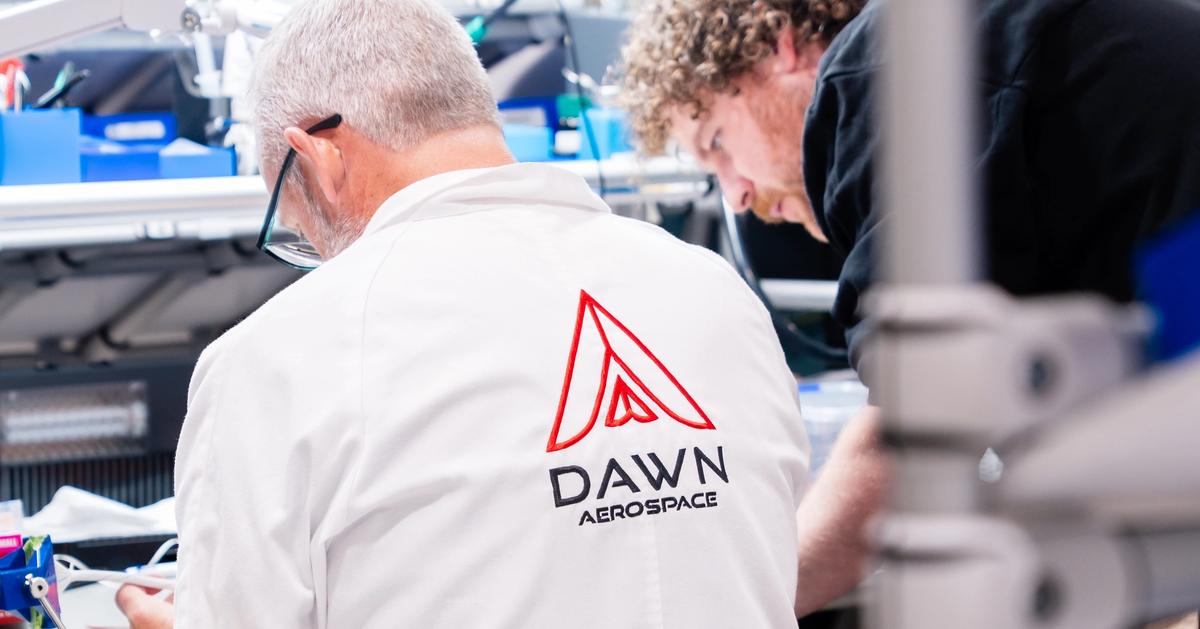
It looks like a technician adjusting a process.An engineer prototyping a new part.A team testing, refining, and trying again — until it works.
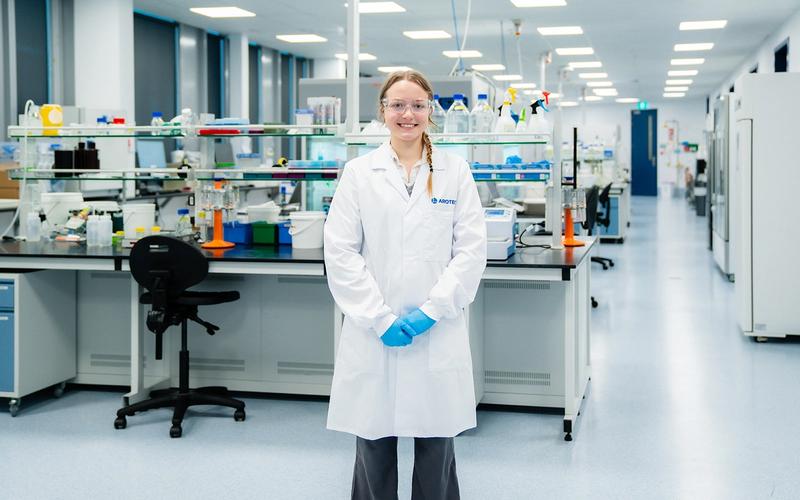
This is where innovation really lives: inside workshops, labs, and factories.
Innovation starts with making
In New Zealand manufacturing, innovation is rarely abstract.
It’s hands-on, iterative, and practical.
New ideas are tested against materials.Designs are proven in real-world conditions.Processes are refined by the people who use them every day.
This is not R&D in isolation.It’s research and development embedded in making.
That means ideas are tested against tolerances, materials, and time - not just theory.What works survives. What doesn’t gets refined or discarded quickly.
Where advanced engineering meets craft
At companies like C-Tech, innovation sits at the intersection of advanced engineering and deep craft.
Inside their workshop, teams are:
- designing components in CAD
- cutting and laying advanced composite materials
- prototyping parts for aerospace, marine, and high-performance applications
- refining processes to meet extreme tolerance and quality requirements
The same facility can produce:
- components for racing yachts
- aerospace and space-adjacent parts
- high-performance structures where failure isn’t an option
Innovation here isn’t theoretical.It’s validated every time a part performs exactly as intended.
In environments where components end up on racing yachts, aircraft, or space-bound systems, performance isn’t optional.The workshop becomes the proving ground — and precision is the standard.
Prototyping as a way of thinking
One of the defining traits of modern manufacturing innovation is prototyping early and often.
Rather than waiting for a perfect design, teams:
- build first versions
- test assumptions
- learn from what doesn’t work
- improve incrementally
This approach:
- reduces risk
- accelerates learning
- builds confidence across teams
It also creates an environment where innovation feels achievable — not intimidating.
Skills that move between disciplines
Inside these environments, roles don’t sit neatly in boxes.
People move between:
- design and production
- digital tools and hands-on work
- problem-solving and process improvement
A design engineer might spend part of the day in CAD and part on the workshop floor.A technician might directly contribute to a product is redesigned.
This crossover is where some of the most valuable innovation happens, because insight travels with the person, not just the process.
It’s also where careers accelerate.People who understand both how something is designed and how it’s made are better equipped to improve it — and those hybrid skills are increasingly valuable across the sector.
Why this kind of innovation matters
Innovation that happens close to making has clear advantages:
- faster feedback loops
- fewer assumptions
- clearer accountability
- better outcomes
It also builds resilience.
When teams understand how and why something works, they’re better equipped to adapt when conditions change — whether that’s materials, supply chains, or customer requirements.
For a country that competes on quality rather than volume, this proximity between design and making is a genuine advantage — not a limitation.
Innovation without the noise
What’s striking about many New Zealand manufacturers is how quietly this work happens.
There’s no theatre around innovation.No obsession with labels.
Just people:
- solving real problems
- improving how things are made
- building capability that compounds over time
This is innovation without hype — and it’s one of the sector’s greatest strengths.
Why The Future Makers is telling these stories
The Future Makers, led by Advancing Manufacturing Aotearoa, exists to make this kind of innovation visible.
Not as something rare or out of reach.But as something already happening in workshops, labs, and factories across the country.
By showing where innovation really lives, The Future Makers helps:
- broaden how innovation is understood
- recognise the people doing the work
- inspire the next generation of makers, engineers, and problem-solvers
Innovation lives where things are made
In manufacturing, innovation doesn’t start with a slogan.
It starts with material.With tools.With people willing to try something, test it, and make it better.
That’s where the future is being built.
Make your move. Make your mark.
Innovation isn’t happening somewhere else.It’s happening right here — on the factory floor.