When people talk about innovation in manufacturing, they often imagine big breakthroughs, expensive machinery, or moonshot ideas.
That’s not how it usually happens.
More often, innovation looks like this:
- a problem that keeps showing up
- a process that’s slightly inefficient
- a team asking, “There’s got to be a better way”
And then doing something about it.
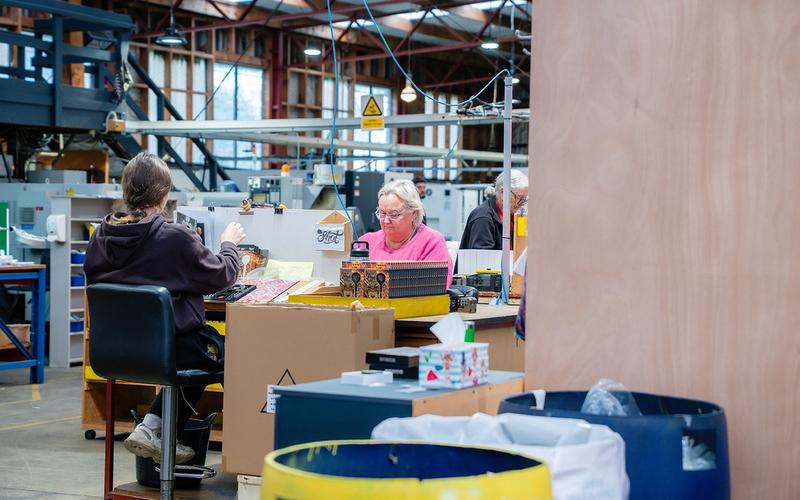
In New Zealand manufacturing, innovation isn’t a department. It’s part of the working week.
The myth of the big leap
Innovation gets framed as something rare — a moment of genius, a single breakthrough, a bold pivot.
In reality, most manufacturing innovation is incremental:
- shaving minutes off a process
- improving consistency
- reducing waste
- making work safer or easier
These changes don’t always make headlines. But they compound — quickly.
A small improvement made every week adds up to a very different operation over a year.
What process innovation actually looks like
Step inside a modern factory and you’ll see innovation happening everywhere — often without being labelled as such.
You’ll see:
- Teams using real-time data to spot bottlenecks
- machines reconfigured to support flow, not force speed
- software stitched together to give better visibility
- automation introduced where it genuinely helps people
None of this is abstract. It’s practical, grounded, and usually driven by the people closest to the work.
Process innovation starts with understanding what’s actually happening - not what the process map says should be happening.
Technology as a tool, not a trophy
Automation, data, and AI are powerful, but only when they’re applied with intent.
Across New Zealand, manufacturers are using technology to:
- Verify quality before products leave the floor
- reduce rework and errors
- improve planning and forecasting
- connect production, suppliers, and customers
The common thread isn’t the tech itself. It’s how deliberately it’s used.
The most effective innovations tend to be:
- small enough to test quickly
- simple enough to be understood
- useful enough to stick
Innovation doesn’t fail because technology is too advanced. It fails when it’s disconnected from the real problem.
Why people matter more than systems
Process innovation only works when people are involved and trusted.
The best ideas rarely come from the top down. They come from operators, technicians, engineers, and supervisors who see the friction every day.
When teams are encouraged to:
- question how things are done
- trial improvements
- learn from what doesn’t work
Innovation becomes part of the culture, not an exception.
That’s also why manufacturers who invest in people, training, pathways, and time to think tend to innovate more consistently over the long term.
Innovation that compounds
One of the quiet strengths of manufacturing is how improvements stack.
A better process today:
- lifts productivity tomorrow
- improves quality next month
- builds confidence over time
That confidence matters. It’s what allows teams to try the next improvement — and the one after that. Over time, incremental change becomes transformational.
Not because of one big move. But because of many small ones.
Why this matters for New Zealand
Process innovation is one of New Zealand manufacturing’s hidden advantages.
We don’t always compete on volume. We compete on:
- adaptability
- ingenuity
- problem-solving
- quality
Those strengths are built on process — not hype.
They allow manufacturers to stay resilient, lift exports, and create skilled, future-facing jobs across regions.
And they’re already happening — quietly, consistently, and often without recognition.
Why The Future Makers is telling these stories
The Future Makers, led by Advancing Manufacturing Aotearoa, exists to surface this kind of innovation — the kind that doesn’t shout, but delivers.
By sharing real examples of process improvement from across the sector, The Future Makers helps:
- demystify innovation
- recognise the people doing the work
- show what modern manufacturing actually looks like
Not as theory. But as practice.
Innovation starts on Monday
Innovation doesn’t need a launch plan. It needs attention, curiosity, and permission to improve.
In manufacturing, the most meaningful innovation often starts at the beginning of the week — when someone notices something isn’t quite working, and decides to fix it.
That’s not magic. That’s manufacturing.
Make your move. Make your mark.
The future of manufacturing isn’t built in moments of inspiration. It’s built in processes, one improvement at a time.