Most young New Zealanders don’t reject manufacturing. They just never see it.
When career conversations turn serious, the pathways presented tend to be narrow: university or trades, office or outdoors, “safe” jobs or risky ones. Manufacturing rarely sits in the middle of that conversation, even though it should.
Because modern manufacturing doesn’t fit old categories. And the pathways into it don’t look the way people expect.
The myth that won’t shift
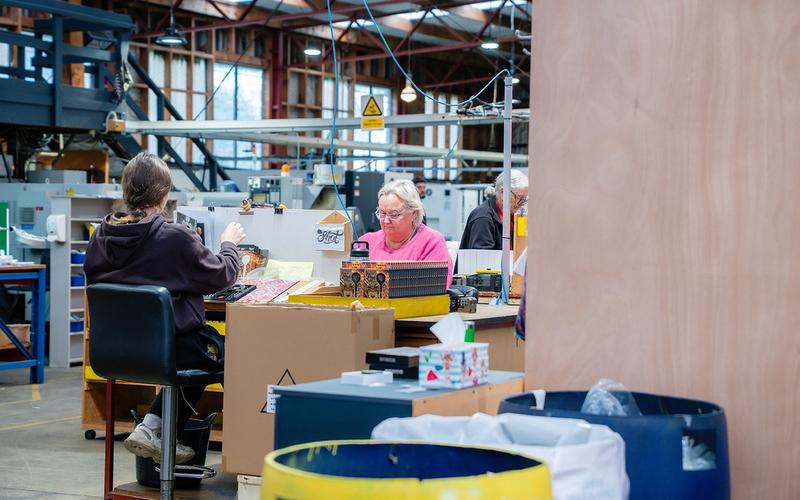
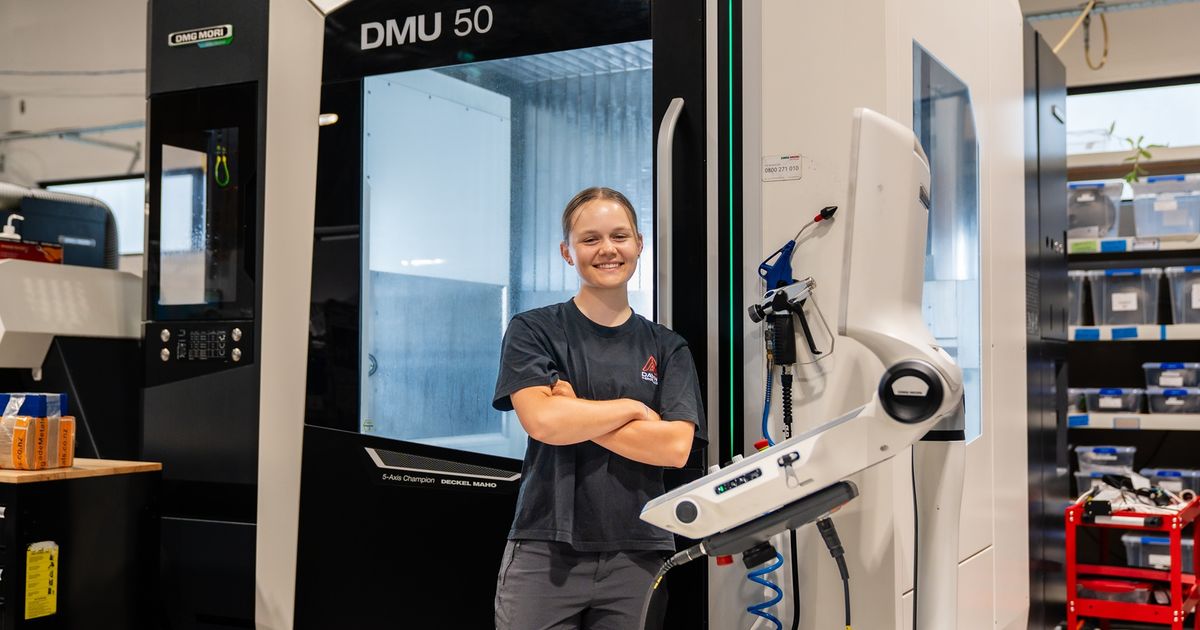
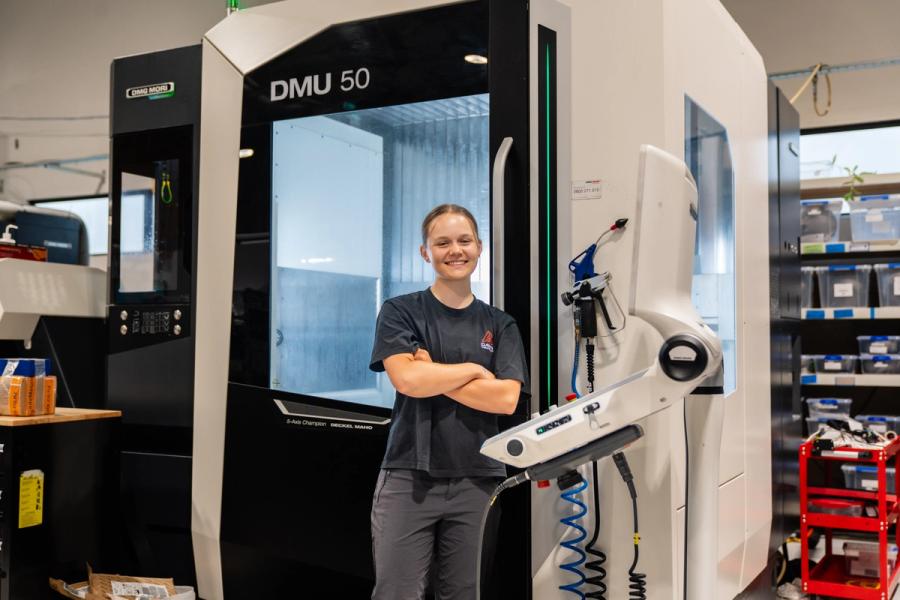
For a long time, manufacturing has been framed as repetitive, dirty, or stagnant. That image sticks — especially for parents and educators who remember a different era. But step inside a modern workshop today, and you’ll see something else entirely:
- clean, high-tech environments
- people moving between design, data, machines, and problem-solving
- teams learning on the job, building skills that stack over time
This isn’t about standing on a line doing one task forever. It’s about learning by doing, and building a career that evolves.
What real pathways actually look like
There’s no single way into manufacturing - and that’s part of its strength.
Some people start straight from school through earn-as-you-learn programmes. Others arrive after trying university and realising they want something more hands-on. Some move between trades, engineering, design, and leadership over time.
Across New Zealand, manufacturers are creating pathways that:
- pay people while they learn
- allow movement between roles and disciplines
- value curiosity as much as credentials
- reward persistence, not just academic performance
Progression isn’t a ladder. It’s a series of doors - and once you’re inside, you can see far more of them.
The people who stay
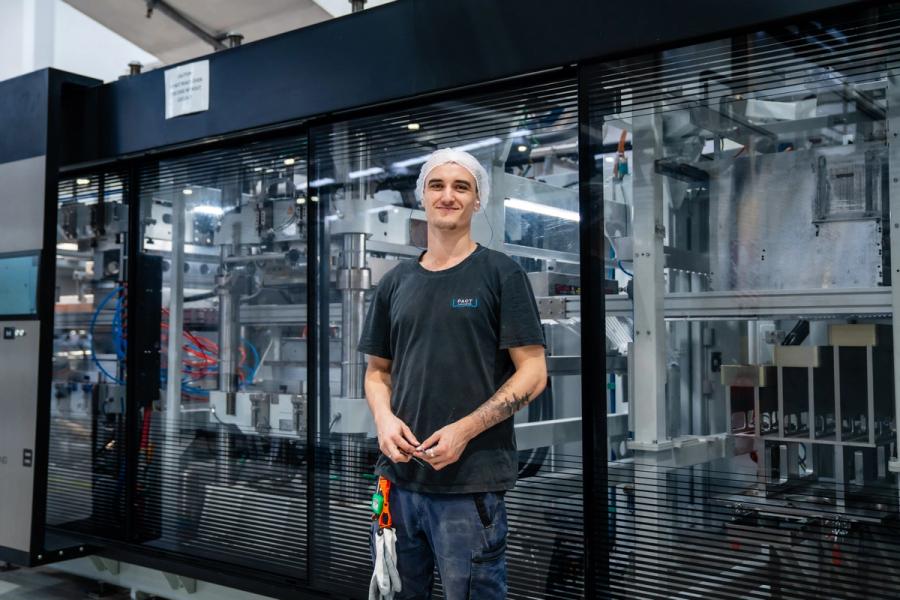
One of the clearest signals that these pathways work? Retention. When people enter manufacturing, many stay, not because it’s easy, but because it’s engaging. They talk about:
- The satisfaction of making something real
- The pride of seeing a finished product leave the floor
- The confidence that comes from solving problems with a team
- The sense of belonging that grows in environments where skills are shared
These are careers where learning doesn’t stop after the first qualification.It deepens.
Why this matters now
New Zealand needs skilled people who can think, adapt, and build — not just once, but over decades.
Manufacturing offers exactly that:
- skills that compound over time
- roles that exist in every region
- careers that connect to exports, innovation, and productivity
But none of that matters if young people can’t see the pathway in. The issue isn’t a lack of opportunity. It’s a lack of visibility.
Why The Future Makers is focused on pathways
The Future Makers, led by Advancing Manufacturing Aotearoa, exists to make those pathways visible - clearly, honestly, and without gloss.
Not by telling people where they should go. But by showing what’s already happening.
Through real stories from workshops, factories, labs, and teams across the country, The Future Makers highlights:
- The many ways people find their place in manufacturing
- The mentors and leaders who help others grow
- The careers being built quietly, every day
It’s about widening the picture — so more people can recognise themselves in it.
You don’t need to know your whole future
One of the biggest barriers young people face is the pressure to have it all figured out. Manufacturing doesn’t ask that of you. It asks for:
- curiosity
- a willingness to learn
- the confidence to try something new
The rest comes with time, support, and experience.
For many, manufacturing isn’t just a first job. It’s the start of a career they didn’t know existed.
Looking ahead
If New Zealand wants a strong, resilient future workforce, it needs to broaden the stories it tells about success.
That includes showing:
- that hands-on and high-tech can sit side by side
- That earning while learning is a strength, not a compromise
- that there are many ways to build a meaningful career
Manufacturing offers those options — right now. We just need to keep opening the door.
Make your move. Make your mark.
The pathways are already here. The opportunity is already real.
The next step is simply seeing it.