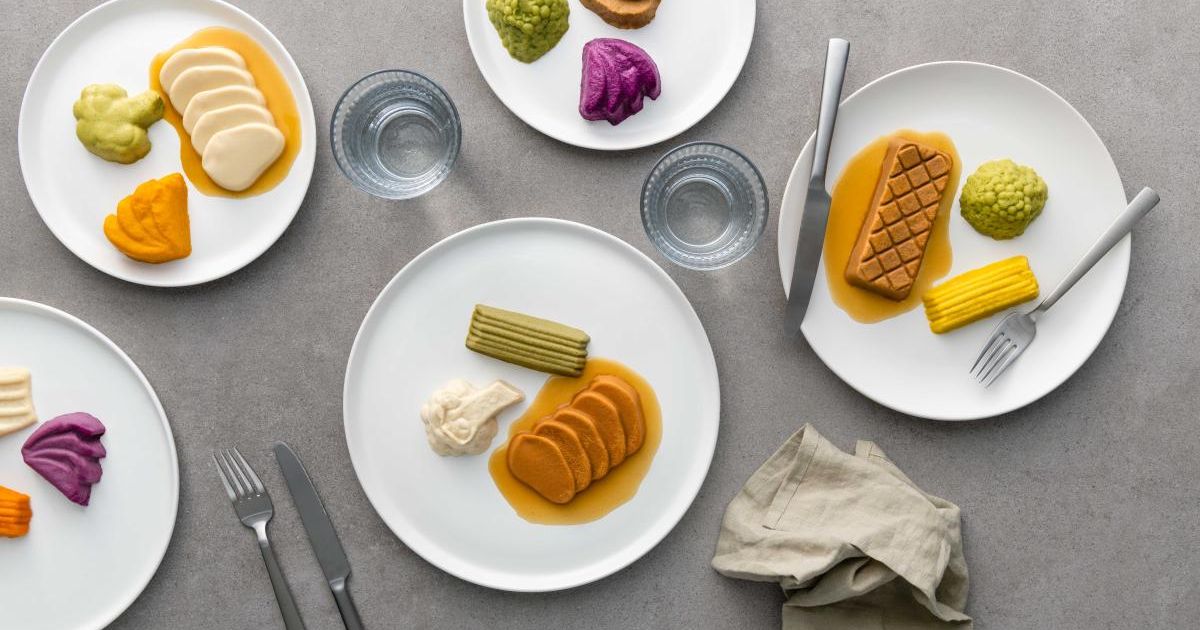
For many older adults, mealtime can be a dreaded routine—soggy scrambled eggs day after day. Yet at The Pure Food Co, co-founders Sam Bridgewater and Maia Royal had a radically different vision: provide delicious, clinically robust meals to seniors so they can enjoy their food, not just endure it. If that means rethinking everything from ingredient sourcing to nutrient science, so be it.
“We’re here to solve malnutrition for the world’s seniors,” Sam says. “Turns out you can do that with great local ingredients, a dash of global nutrients, and some Kiwi ingenuity.”
A Personal Spark, A Global Ambition
The Pure Food Co began, in part, with Sam’s stepfather. After a major illness, he needed protein-rich meals that still tasted like real food. Medical formulas were unappealing, and typical “soft diets” had zero flavour. Bridging that gap revealed a much bigger, often invisible crisis: senior malnutrition. Sam and Maia realised they weren’t alone in this struggle—countless families worldwide faced the same challenge.
Fast-forward twelve years, and The Pure Food Co is feeding 10 million meals annually, supplying every public hospital and 8 out of 10 rest homes across New Zealand. Now, they’re in Australia and France too. Their mission? Bring better nutrition—and actual joy—to older adults in hospitals, rest homes, and even private residences around the globe.
Tech-Infused Food, Locally Sourced Ingredients
Part of their secret is mixing fresh Kiwi produce—from Hawke’s Bay lamb to Canterbury beef—with global, real-food-derived nutrients. The result? Meals that look, smell, and taste like something you’d want to eat but also deliver the proteins, vitamins, and minerals older adults need to maintain muscle mass, skin integrity, and overall vitality.
“People shouldn’t have to choose between nutrition and flavour,” Sam emphasises. “We pack in both—and prove it with clinical data.”
The Pure Food Co also doubles as a food-tech company. Beyond creating specialised meals, they employ digital tools and analytics to help large-scale care providers track patient intake, measure health outcomes, and fine-tune resident diets. Think of it as an integrated food system: part R&D, part manufacturing line, part real-time feedback loop—ensuring seniors actually enjoy what’s on their plates.
Designing a Better Mealtime for Everyone
Quality aside, the team also invests heavily in service and training. From hospital wards to aged-care kitchens, staff learn how to plate meals appealingly and ensure consistent portion sizes. But it goes further: The Pure Food Co collects data on resident satisfaction, rates of food consumption, and improved clinical markers like weight gain or reduced skin breakdown.
“We’re hearing from caregivers that ‘Jack’s eating again—and he’s happier,’” Sam says. “That’s the best feedback we could ask for.”
According to Sam, it’s not just physical health. Mealtime is social—important for mental well-being, cultural connection, and quality of life. By enhancing taste, texture, and variety, they tap into the full emotional experience of eating—a spiritual component too often missing in “medical food.”
Innovating in Advanced Manufacturing
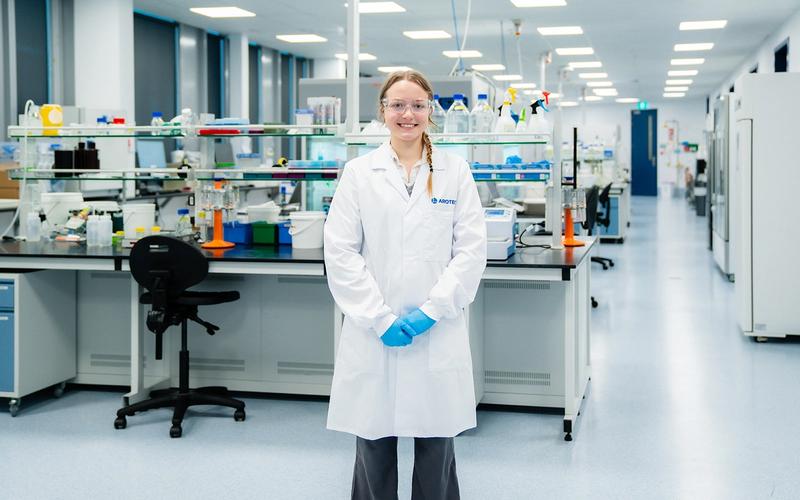
Central to The Pure Food Co’s success is an advanced manufacturing operation that marries food science with precision engineering. Their Auckland-based facility relies on a “Frankenstein” approach—combining off-the-shelf machinery with custom components from around the globe. This patchwork system can efficiently handle a wide variety of ingredients (from vegetables to specialised nutrients) while maintaining the clinical consistency so vital to seniors.
“Most people think of manufacturing as big, impersonal lines churning out identical products,” Sam notes. “Ours is more agile, mixing and matching in real-time. That flexibility lets us optimise recipes and respond to changes faster.”
The same spirit fuels their global expansion. Australian and French operations follow a similar “lean and adaptable” blueprint, integrating local tastes (chicken parmigiana in Oz, beef bourguignon in France) with The Pure Food Co’s core technology. It’s how a small Kiwi venture scales up to meet international demand without losing sight of quality or authenticity.
Expanding Horizons: From Auckland to Europe
While each new market presents challenges, The Pure Food Co found an especially receptive audience in France, a country revered for its culinary heritage.
“We worried about French chefs dismissing our approach,” Sam admits. “But they got it. They know great food is integral to wellness, and they embraced our concept.”
That success looks to translate into rapid growth. Manufacturing innovations in Auckland let them fulfil demand in Australia—and then replicate those processes in a European facility. It’s a prime example of advanced manufacturing built on Kiwi resourcefulness. That combination of practicality and boundary-pushing embodies New Zealand’s legacy of problem-solving on the global stage.
Why It Matters for New Zealand
Like many local pioneers, The Pure Food Co shows how advanced manufacturing can power social impact and export success. The margins are bigger, the challenges more complex—and that’s exactly what draws talent to the sector. Sam compares it to a roller coaster of daily decisions and problem-solving, requiring brains, creativity, and resilience.
“We’re not just shipping raw commodities,” he says. “We’re building high-value products that solve a global crisis—and we’re doing it here in Aotearoa.”
Their story epitomises the Future Makers spirit: rethinking an age-old issue (seniors struggling at mealtimes) with fresh engineering, high-value nutrition, and a global mindset. The result? Economic gain for New Zealand and a social win for families worldwide.