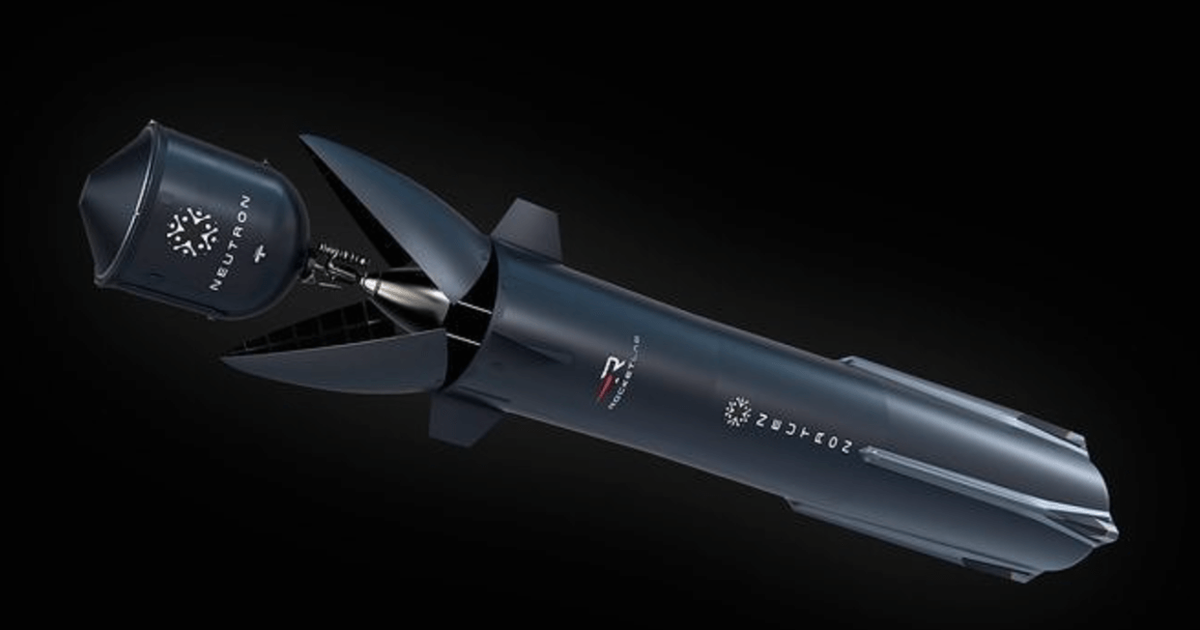
New Zealand’s engineering tradition has roots in humble workshops and kitchen-table tinkering. It thrives in do-it-yourself cultures where risk-takers transform scrappy ideas into global powerhouses. Step inside Rocket Lab, and you’ll see that ethos on full display. The company has become the third most-frequent rocket launcher in the world, sending satellites into orbit, to the Moon, and Mars. The two launch sites on the the Mahi Peninsula in New Zealand – and the appropriately named Wallops Island, Virginia, USA – have over 50 launches under their belt. The total number of satellites utilising Rocket Lab technology is 1700+.
The numbers are impressive, and the rocket launches are big dramatic spectacle, but it’s all driven by- behind-the-scenes smarts, innovation and a manufacturing prowess that makes Rocket Lab the game changers of the industry.
Not happy with resting on their laurels after creating the world’s first carbon composite orbital space vehicle, they’ve built the biggest Automated Fibre Placement (AFP) machine in the world – essentially a towering construction robot – that churns out huge carbon fibre structures at a phenomenal rate. Weeks of work for a large team now takes just 24 hours. It is just a machine, sure, but through the right set of eyes, it’s an industrial monument to brilliance.
The 90 tonne Automated Fibre Placement (AFP) machine will save 150,000 hours in the development of the Neutron rocket’s production process.
At the centre of it all is founder and CEO Peter Beck, who turned a lifelong passion for space into one of the most audacious success stories to come out of Aotearoa.
“I always loved space and engineering. If you put those together and go after the hardest stuff, you end up building rockets,” Peter says, as though it were the most natural thing in the world.
Where Passion Meets Possibility
Growing up, Peter Beck looked at the stars and imagined careers in NASA. But he quickly realised NASA wasn’t hiring non-degreed, foreign welders from New Zealand. So, rather than give up, he did something radical:
- Learned by doing
- Tested rocket ideas
- Founded Rocket Lab
From the start, Rocket Lab leaned on Kiwi practicality: If we can’t outspend them, we’ll outthink them. Going toe-to-toe with the likes of SpaceX and Blue Origin requires daring ideas, commercial savvy, and relentless problem-solving. But Peter believes New Zealanders have an edge:
“Kiwis aren’t afraid to give something a go, even if it means inventing the machine we need or learning how to do it ourselves.”
High-Tech Manufacturing, Kiwi-Style
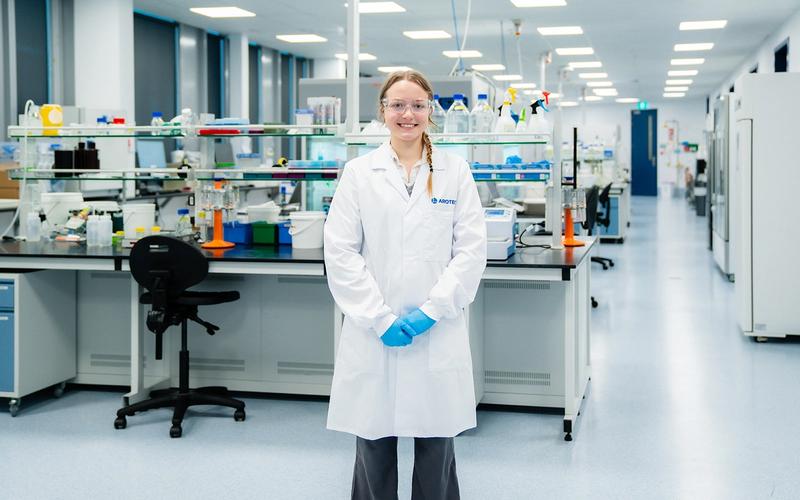
Forget the outdated image of dusty factories. Today’s advanced manufacturing in New Zealand involves clean rooms, CNC machines, and the above-mentioned cutting-edge composites. Walk the shop floor at Rocket Lab, and you’ll see young technicians—some fresh out of high school—assembling rocket engines and avionics with near-artisanal precision. These aren’t menial jobs; they’re creative roles for people who can craft something brand-new out of raw materials and brilliant ideas.
“If you’re having a bad day,” Peter quips, “go touch something that’s going to space. Because there aren’t many people who can say they’ve built something that leaves the planet.”
This manufacturing brand is unapologetically ambitious, pushing the boundaries of what’s possible. And because Rocket Lab builds both rockets and satellites, they’ve built a one-stop shop—what Peter calls an end-to-end space company. The secret sauce? Passionate people, an appetite for big challenges, and the commercial discipline to stay profitable while shooting for the stars.
“Our AFP machine is just one piece of the puzzle,” Peter adds. “We 3D-print rocket engines and avionics in-house, too. Every component we build on-site means we can control quality and move faster than anyone else.”
Dream Big, Then Go Bigger
Time and again, Peter Beck returns to a single theme: You can create your own job—and even your own industry—if you’re passionate enough. That message resonates throughout the Rocket Lab team, whose average age hovers around 30. Their approach marries youthful energy with the wisdom of “grey beards,” tackling problems that sometimes sound impossible.
“You can list all the things you need to get a rocket into space, and any sane person would say it’s impossible,” Peter acknowledges with a laugh. “But sometimes you just put your shoulder down and run. You don’t let the enormity stop you from starting.”
The Payoff for Aotearoa
Yes, Rocket Lab expanded globally with U.S. and international facilities. But Peter insists that’s exactly how to succeed:
- Scale up
- Bring global expertise and capital back home.
- Spawn new companies, jobs, and skills.
As he puts it, “We shouldn’t cocoon our startups and force them to stay small. We should celebrate when they go global—that’s real success. And the benefits do come back.”
Join the Future Makers
Rocket Lab’s story shows how advanced manufacturing and deep-tech innovation aren’t reserved for giant nations with bottomless pockets. When resourceful individuals weld passion to purpose—and combine Kiwi ingenuity with commercial smarts—incredible things happen. It’s the perfect embodiment of the Future Makers campaign: fearless, forward-thinking, and determined to have a global impact.
New Zealand, we are the future makers.
If you’ve ever built a treehouse in your backyard, fiddled with robotics, or just dreamed of bigger horizons, take note: passion for making things can spark a revolution. That’s exactly what Rocket Lab has done—skyrocketing from a makeshift workshop to an orbital success story, taking New Zealand’s innovation to new frontiers.