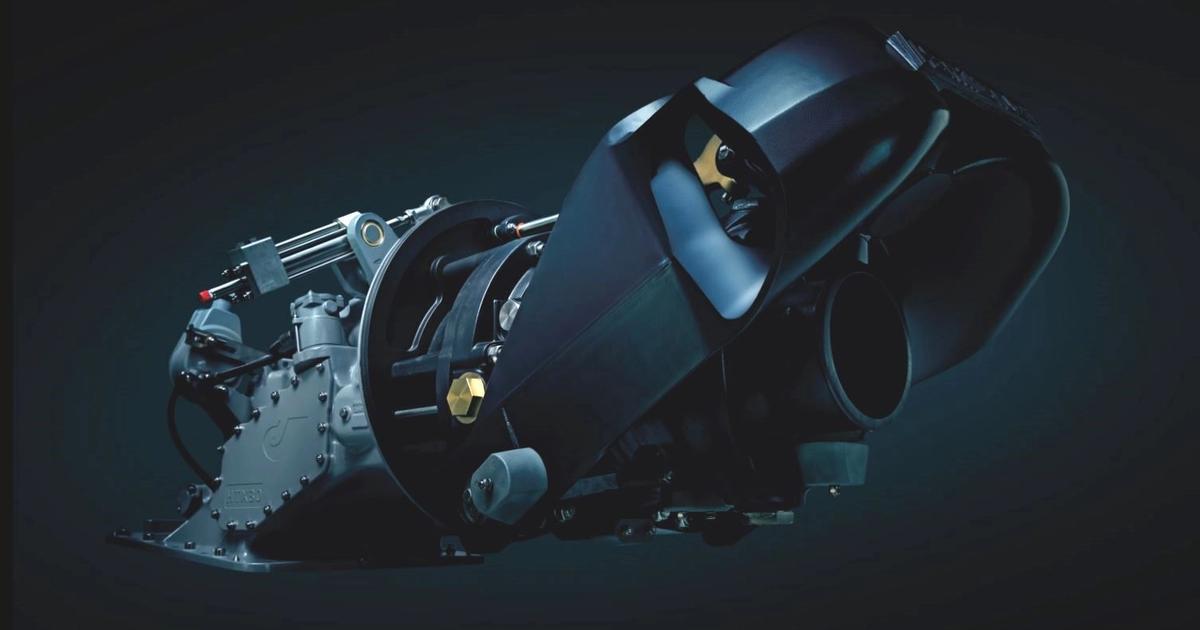
In the world of advanced maritime propulsion, few names carry the weight of HamiltonJet. Founded by the legendary Sir Bill Hamilton, this Christchurch-based company has evolved from a bold Kiwi workshop into a global leader in water jet propulsion. Despite employing over 400 people and shipping 95% of its product overseas, HamiltonJet remains, at heart, a family business—a place where humble beginnings meet cutting-edge technology and where old-fashioned craftsmanship coexists with Industry 4.0 innovations.
“Some family companies stay small, but we’re definitely not that,” says Rob McKenzie-Carroll, Chief Operating Officer. “We hold to those family values, yet we operate massive foundries and 50+ CNC machines—right here in Christchurch.”
From Tinkering to a Marine Powerhouse
When Sir Bill Hamilton first commercialised his version of the jet boat, he didn’t simply invent something new—he reinvented how vessels could travel at speed through shallow or debris-filled waters. That spirit of Kiwi ingenuity has carried on for decades, driving the company to build complex manufacturing systems, develop advanced control electronics, and expand a supply chain that ties together over 200 local partners in New Zealand alone.
“We’re not just a HamiltonJet family; we’re a New Zealand family,” Rob says. “We can go anywhere in New Zealand and source nearly every part we need. That’s a massive hidden strength.”
The Hamilton family remains intimately involved: Board members like Mike Hamilton, grandson of Sir Bill, keep the founding ethos alive—proving that a legacy business can stay fresh and forward-thinking when it preserves its roots.
An Unrivaled Variety of Roles
HamiltonJet’s operation is anything but one-dimensional. Yes, they cast, machine, assemble, and test water jet propulsion and control systems—yet behind the physical products lies a bustling ecosystem of design, software, production management, logistics, health and safety, and digital transformation teams. According to Rob, this creates a powerful engine for talent development:
“We have a role for everyone—planners, software engineers, foundry workers, machinists, marketing and many more. People can start on the floor as an apprentice, then move into manufacturing engineering or R&D. It’s a gateway to a lifelong career in manufacturing.”
That lifelong career path is evident in the many employees who have stayed 30+ years, honing their craft while the company keeps expanding, innovating, and exporting at scale.
Crafting the Future: EHX and Hybrid Vessels
As the broader marine industry inches toward electrification, HamiltonJet dives head-first. Their new EHX platform demonstrates a hybrid vessel propulsion system, pairing electric motors with diesel engines—all controlled through an in-house designed electronic system. It’s believed to be the first fully hybrid water jet vessel of its kind, showcasing HamiltonJet’s willingness to rewrite expectations.
“We see the same future that electric cars are chasing,” Rob explains. “Whether it’s all-electric or a hybrid diesel-electric blend, we’re proving it can be done—right here in Christchurch.”
Beyond propulsion hardware, HamiltonJet’s Overwatch software sends continuous vessel data to the cloud. Operators can track speed, fuel efficiency, heading, and more—all in real-time—transforming maritime travel into a data-rich, digitally connected experience.
Embracing Industry 4.0 for Real Results
Surprisingly, digital transformation and advanced analytics aren’t just for the sleek control systems on a boat. On the shop floor, HamiltonJet invests heavily in Industry 4.0 technologies to optimise production management. Old CNC machines now tie into brand-new sensors and controllers, letting teams track machine uptime, temperature logs, and energy consumption in near-real-time. Even the foundry furnaces feed a constant stream of data to help pinpoint the ideal times for heating and cooling—saving costs and improving process consistency.
“We’re never truly ‘done’ with Industry 4.0,” Rob says with a laugh. “But every step we take—whether it’s data-logging a furnace or installing a new PLC—drives improvements in efficiency, safety, or energy use.”
Building New Facilities, Backing Local Supply Chains
Far from settling, HamiltonJet is constructing a 7,500m² expansion in Christchurch that will house new assembly lines, a dedicated paint shop, and, alongside the new factory building, new offices. Alongside this, major CNC investments—tens of millions of dollars’ worth—underscore a deep commitment to Kiwi manufacturing. The payoff extends well beyond the company’s own workforce:
“Our 200+ suppliers grow alongside us,” Rob notes. “That’s the hidden multiplier. When we invest here, we also lift up half the industrial sector around Christchurch.”
Why Manufacturing Matters to the Kiwi Economy
From health and safety policies to digital scheduling of thousands of parts, HamiltonJet’s operations highlight what New Zealand’s economy stands to gain from nurturing advanced manufacturing. By exporting 95% of its output, the company injects value back into local communities and fosters a supply chain that spans everything from foundries to electronics shops, forging an ecosystem of skilled jobs and global recognition.
“Manufacturing is almost the silver bullet for NZ’s growth,” Rob argues. “If we keep it here—encourage it, invest in it—we’ll fix a lot of economic issues and remain a force on the world stage.”
After nearly 70 years, HamiltonJet still exemplifies that classic Kiwi mix of practical know-how, family values, and cutting-edge innovation. From forging jet boat propulsion to championing hybrid vessel platforms, they are, in Rob’s words, “quietly brilliant”—keen to share knowledge, train new talent, and keep raising the bar for maritime technology.
“New Zealand, we are the future makers,” Rob says, echoing the campaign’s rallying cry. “Whether you’re tinkering at home or building the next big thing in advanced manufacturing, there’s a place for you here—and the possibilities are endless.”