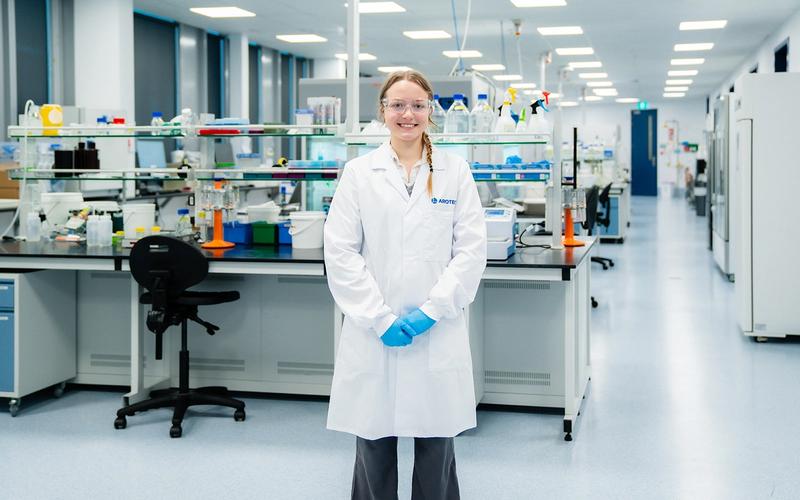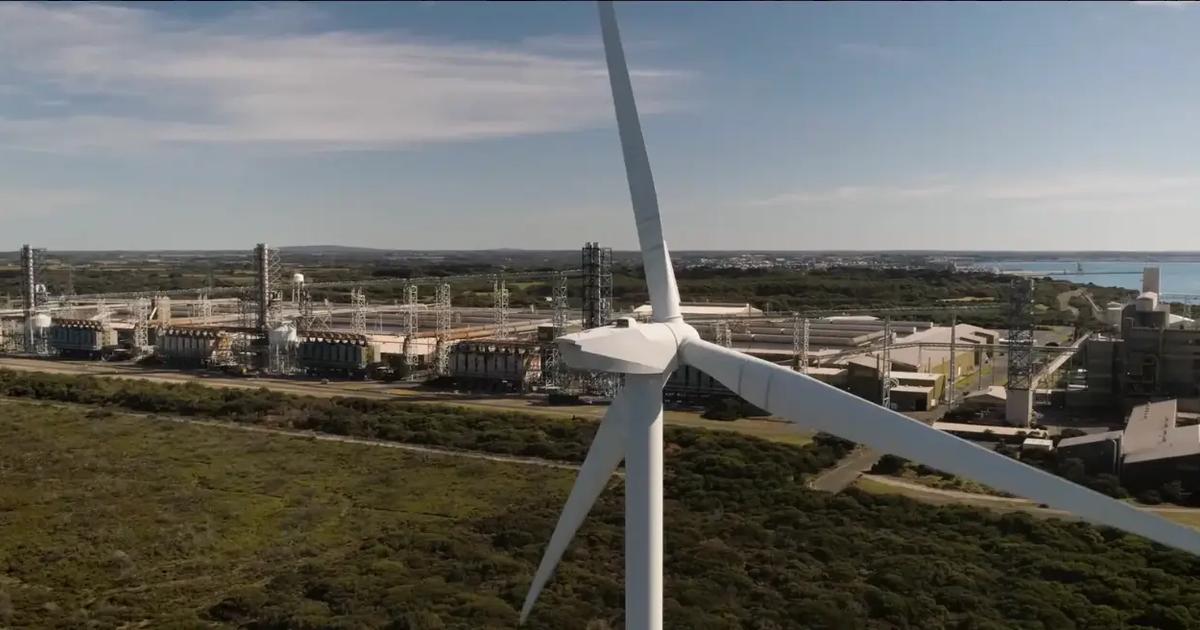
A modest workshop in Southland started their operation by crafting wood burners, supplying fireplaces across New Zealand. Over forty years, that family business—Yunca Holdings— continued to grow their export business and quietly expanded to become a key engineering partner for Rio Tinto via the New Zealand Aluminium Smelters (NZAS). Then came EnPot, an innovation aimed at slashing the carbon footprint of aluminium production worldwide. If it feels like an unlikely leap, CEO Karyna Young insists it was just a natural progression.
“Kiwi’s need to think outside the box, innovation has always been at the heart of what we do,” she says, matter-of-fact. “That’s how we are able to punch above our weight in global markets.”
Aluminium: The Hidden Giant
From smartphones to electric vehicles, aluminium is everywhere. It’s strong, lightweight, and endlessly recyclable—a metal critical to modern life. Yet producing it consumes huge amounts of energy, often from fossil-fuel sources. On a global scale, the aluminium industry accounts for around 2% of total greenhouse emissions.
“Aluminium plays a critical role in the manufacture of planes, EVs, and clean-tech gear,” Karyna explains. “It's a green metal, but in most parts of the word, the process of making it is not.”
The problem is rooted in the smelting process. Each industrial pot sits around 950–970°C. Shift too high, and you melt the protective lining. Dip too low, and the entire pot can freeze. Both outcomes are disastrous—costly, risky, and disruptive. As a result, smelters have historically been forced to run at steady, unchanging power, often relying on coal.
EnPot changes that. By installing a patented EnPot shell heat exchanger around each pot, smelters gain the ability to dial energy usage up or down by up to 30%. That means they can finally harness intermittent energy sources like wind or solar, absorbing surges of renewable power or reducing load during lulls.
“The concept is simple, the technology is extremely complex.” Karyna says. “Control pot temperature in real-time, and you unlock flexible smelting. Its impact is transformative.”
From Tiwai to the World
Yunca earned its stripes supplying specialised hardware to Rio Tinto at Tiwai Point for over three decades. Working side by side with smelter teams taught them how pots really behave under stress and how crucial reliable energy flows can be. When the University of Auckland approached them with a concept for flexible smelting, Yunca jumped at the chance.
EnPot became a joint venture with Auckland UniServices, fusing academic research with hands-on engineering. By 2019, EnPot was in commercial operation in Germany, proving flexible smelting in a market hungry for clean-tech solutions. Next came China, the world’s largest aluminium producer. If EnPot can scale across even a fraction of China’s vast smelting network, the global carbon payoff could be huge.
“The fact we’re installing in Europe, Asia, and beyond—straight from a Southland HQ—proves Kiwi tech goes farther than people imagine,” Karyna adds. “We’re now penetrating international markets from an engineering firm at the bottom of the world.”
Narrowing Focus, Expanding Reach
Despite its global customer-base, EnPot keeps specialised manufacturing at home. Yes, mass production lines for standard items can sit offshore, but the highly precise, advanced manufacturing elements remain in New Zealand. Our local engineering talent and stable environment for intellectual property seal the deal
“New Zealand’s strength is in specialised engineering,” Karyna says. “We blend deep craftsmanship with agile thinking—something you don’t always find in larger economies.”
This approach leverages decades of Yunca’s manufacturing know-how, ensuring every heat exchanger and key component meets exacting specs. The combination of precision tooling and on-site testing supports EnPot’s lean, fast-iterating manufacturing model.
“We use New Zealand’s capabilities to design, assemble, and refine our products,” Karyna adds. “That tight loop of innovation and production is our superpower.”
People at the Core
Behind each pot-lining panel or shell heat exchanger, there’s an internationally renowned, kiwi engineer at the heart of it. Their components end up saving smelters millions, reducing emissions, and even contributing to the aluminium in everyday devices—like the phone in your hand.
That sense of collective ownership underpins EnPot’s work culture. It’s not just about advanced manufacturing; it’s about a team deeply invested in a global transformation. Karyna believes that’s where true morale comes from: clarity of purpose and visible impact.
“When the welding team comes to work knowing what they do helps to cut carbon emissions worldwide, how could you not be proud of what you do,” she asks. “That’s the spark you feel at EnPot.”
Future Makers in Action
EnPot’s journey reflects a bigger truth about manufacturing in Aotearoa. Whether it’s Rocket Lab launching satellites or OpenStar working on fusion energy, New Zealand’s industrial spirit is global in scope—yet grounded in local values. By innovating in areas that matter (energy, climate, connectivity), Kiwi manufacturers generate real-world impact far beyond these shores.
“We’re living in the aluminium age, and it needs to decarbonise,” Karyna concludes. “If that comes from deep within Aotearoa, that’s just more proof of how special this place is.”
EnPot’s technology symbolises a bold, nuanced vision: New Zealand is stepping up to transform one of the world’s most essential (and carbon intensive) industries. That’s the essence of the Future Makers campaign—unflinching ambition, practical expertise, and a deep sense of responsibility for the planet.