On any modern film set, cameras are sleek, tracking systems are sophisticated, and lighting is state-of-the-art. Then you look over at the audio crew—and realise their microphones haven’t changed much in 50 years. At least, that was the case until Dotterel stepped in.
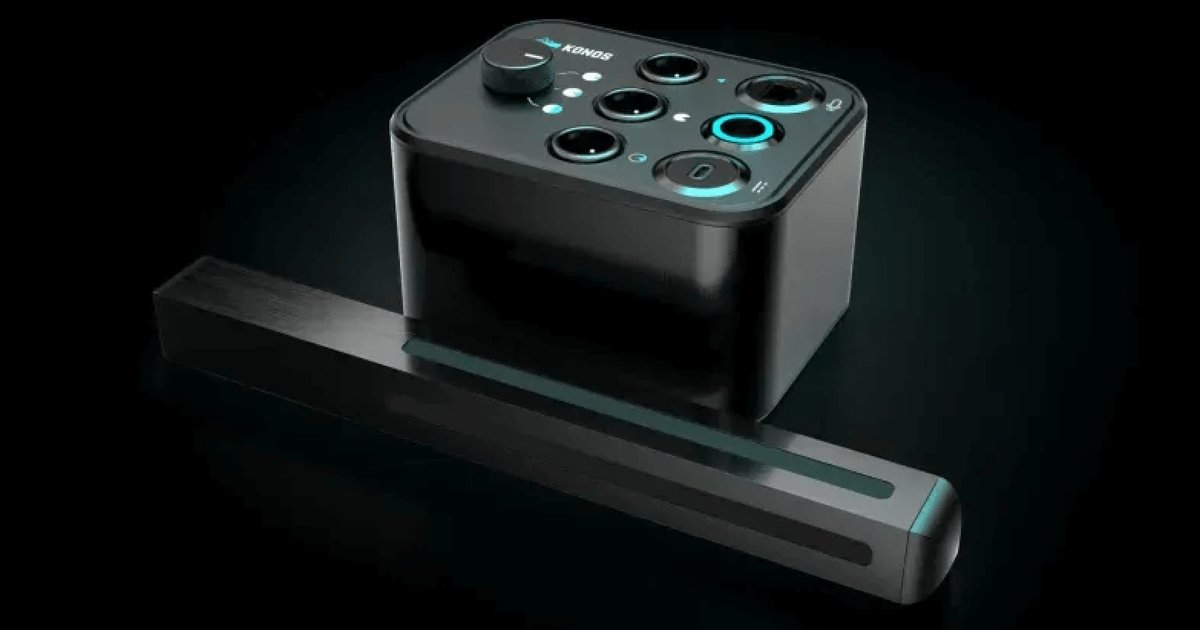
Founded by CEO and Co-founder Shaun Edlin, Dotterel took shape when a group of “audio nerds and drone enthusiasts” spotted a gap in the market: microphones built for the modern era rather than constrained by old tech. Their solution? Konos—an 80-element array that can adapt on the fly, capturing crystal-clear sound in noisy or distant situations.
“We’ve set out to change the film industry completely,” Shaun says, echoing Dotterel’s uncompromising ambition. “There’s been innovation everywhere else on set, but microphones never caught up—until now.”
From Rat Brains to Rock Star Startups
Shaun’s path to audio innovation was anything but direct. He studied neuroscience, then worked on patents for LanzaTech, one of New Zealand’s standout deep-tech companies. There, he caught the startup bug—drawn by the pace of innovation and the sheer energy of a fast-growing venture. After a stint launching Snowball Effect, a pioneering equity-crowdfunding platform, Shaun partnered with fellow drone and audio aficionados to take on a new challenge: designing a mic that could capture sound from a “flying lawn mower” (a.k.a. a drone).
“It was terrifying,” he recalls of early demos, “soldering wires and fixing screws at the last second—praying it would work for that big client presentation.”
Yet it did. Before long, Dotterel’s technology was turning heads in search-and-rescue applications—enabling a drone to hear people on the ground and communicate back. The team soon realised the same concept could revolutionise film, broadcast, and beyond.
Innovation from the Edge
Based in Auckland, Dotterel epitomises New Zealand’s knack for left-of-field ideas. Isolation fuels originality here: Kiwis aren’t weighed down by global trends. Instead, they tackle big problems in ways that stand out.
“New Zealanders innovate differently. We can’t just copy what everyone else is doing,” Shaun notes. “So we build from the ground up—literally reinventing the microphone.”
Konos is the result: a microphone array that digitally shapes its pickup pattern, capturing pristine audio in everything from bustling film sets to live sports. It even won Product of the Year at the National Association of Broadcasters Show—the world’s largest screen-industry trade show. Not bad for a five-person team that often works out of suitcases, flying between Hollywood and global events.
Inside the Sound Lab
Dotterel’s core approach is deceptively simple: make the mic do the heavy lifting, not the user. Traditional microphones are built for a single task, capturing only one kind of audio well. The Konos system, however, can tune itself—zeroing in on a lone actor’s voice or picking up crowd ambience with equal ease.
“It’s the ‘everything microphone,’” Shaun says with a grin. “Whether it’s a high-noise drone or a quiet indoor set, Konos adapts instantly.”
Yet behind that effortless user experience lies advanced DSP (digital signal processing) and meticulous mechanical design—tasks that demand top-shelf engineering. In fact, Dotterel’s hardware assembly relies on specialised high-precision manufacturing techniques to ensure each of the 80 elements is aligned and calibrated for real-time performance.
A Small Team, A Global Vision
Running a tech hardware startup isn’t just about brilliant product design. For Dotterel, it also means embracing advanced manufacturing processes—prototyping, testing, and iterating quickly to stay ahead. The Konos microphone’s compact form is the fruit of mechanical and electronics engineering at Dotterel’s Auckland base, where small-batch production merges with cutting-edge R&D.
“We’re a bunch of eccentric characters,” Shaun admits. “But that blend of perspectives pushes us toward real breakthroughs.”
They also prize direct feedback, travelling abroad to test prototypes on actual film shoots or broadcasts. If something doesn’t work, they hear about it immediately—and take it as a prompt to innovate further. That willingness to listen, iterate, and pivot is quintessentially Kiwi—and keeps Dotterel one step ahead of would-be competitors.
Future Makers in Action
Dotterel’s story fits neatly into New Zealand’s broader manufacturing and deep-tech renaissance. From aerospace to biotech to advanced audio, Kiwi startups are tackling global markets with fresh thinking. And like so many others, Dotterel proves that a tiny HQ isn’t a handicap—it’s an advantage.
“We’re not here to do small ‘me-too’ products,” Shaun says. “We want to reshape an entire industry. And we can do it from here in Aotearoa.”
The payoff isn’t just for film buffs or audio engineers. It’s for an economy that thrives on exporting high-value ideas, building the country’s prosperity with each new product that conquers global demand. By pushing the boundaries of advanced manufacturing in audio, Dotterel carves out a niche on the international stage—proving that Kiwi design and production can rival any large audio company in the world.
Join the Future Makers
By reinventing the humble microphone, Dotterel invites the world to rethink what’s possible—from film sets to emergency drones and countless other sound-hungry scenarios. It’s an audacious goal powered by that signature Kiwi blend of practical ingenuity and bold creativity.