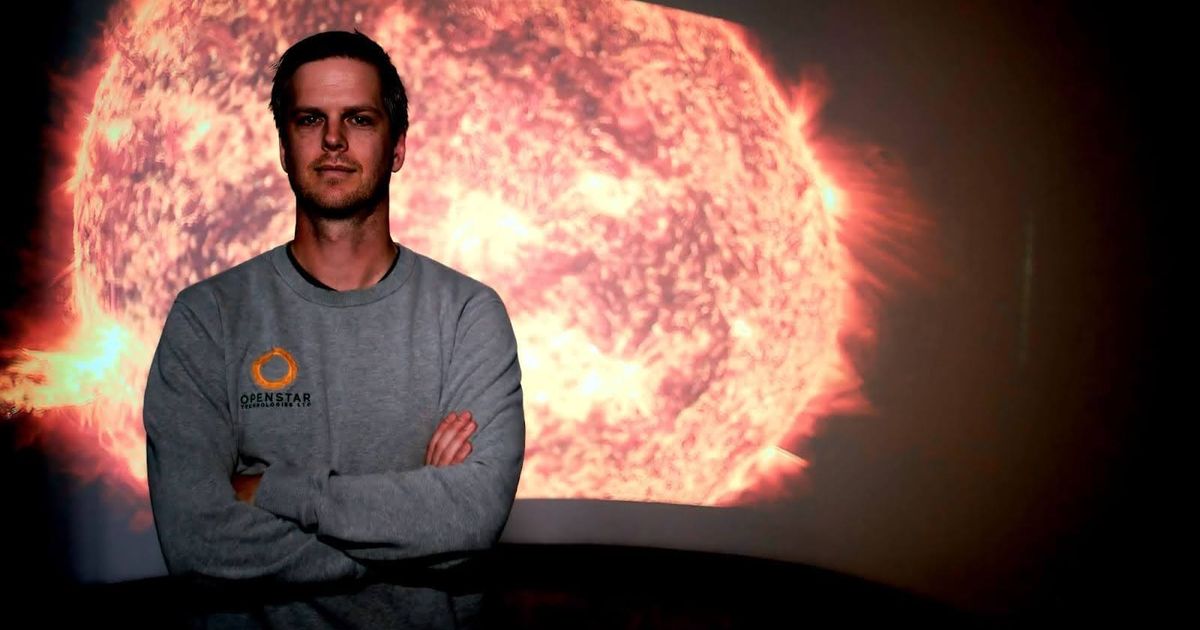
Ryan Davidson isn’t your average engineer. He’s part of a young, tight-knit team at OpenStar Technologies in Wellington, New Zealand—one working to harness fusion energy with a scrappy, can-do Kiwi attitude. It’s easy to forget on a typical Tuesday morning that their day job is to build parts for an experimental reactor that could, if all goes well, help solve one of humanity’s biggest challenges: clean, limitless power.
“We turn up to work every day to solve the world’s biggest problems,” Ryan says, a proud smile on his face.
In a world grappling with energy crises and global warming, OpenStar sees fusion as a game-changer. Forget the nuclear fission approach that leaves behind radioactive waste; fusion fuses atoms at ultra-high temperatures, releasing incredible amounts of energy without the long-lived radioactive byproducts. The levitated dipole reactor—the kind OpenStar is creating—has never quite been attempted like this. And that’s exactly the kind of moonshot thinking that energises Ryan and his teammates.
From Tinkering to Transforming
Ryan’s path to OpenStar feels surprisingly relatable: he left high school early, worked a string of odd jobs, and eventually discovered a passion for building and machining. He grew up making things out of LEGO and scavenged wood—today, he spends his days crafting sophisticated components for a fusion reactor.
“When you take a step back and think about it, it’s pretty wild,” he admits. “We’re literally making parts for a machine that could power the world.”
At OpenStar, Ryan leads a small manufacturing unit equipped with CNC machines, welders, and that classic Kiwi willingness to figure things out—even if it means inventing a new approach on the fly. “Our advanced manufacturing process isn’t about mass-producing widgets,” Ryan says. “It’s about precision, agility, and learning from every component we build. We’re forging parts that must handle extreme temperatures and magnetic fields—there’s no room for error.”
In New Zealand’s relatively small industrial environment, advanced manufacturing often demands creative problem-solving—a skill that sets the team apart and helps them move fast on a shoestring budget.
The Power of a Young Team
OpenStar’s workforce is young. Like NASA’s famed Mission Control of the Apollo era, the average age is mid-20s. That might raise eyebrows, but the results speak for themselves. In under two years, and with fewer resources than many bigger players, OpenStar achieved its first plasma—a major milestone in developing a fusion reactor.
“The reason we can move so quickly is that we’re agile. We have the energy and the passion. People here love what they do,” Ryan says.
It’s not all high-pressure breakthroughs, though. Halloween costume parties, Friday-night drinks, and even an indoor soccer team keep things playful—and help the crew recharge for the serious business of revolutionising energy.
Why Fusion, Why Now?
Humanity’s energy demands are only growing—cryptocurrency, AI, and billions of devices that never switch off. If successful, fusion could deliver vast amounts of electricity from a tiny amount of fuel, slashing reliance on fossil fuels and sending greenhouse gas emissions plummeting. That’s not just an environmental win; it also promises improved access to power in parts of the world that desperately need it.
“We believe fusion will solve the world’s energy crisis,” Ryan says with measured optimism. “It’s a big statement, but we’ve come a long way in a short time.”
New Zealand Innovation on the Global Stage
For a remote island nation, pushing cutting-edge science can seem like an uphill battle. Yet Kiwi ingenuity has a history of punching above its weight. It’s part of the national DNA: think Rutherford splitting the atom or Rocket Lab making orbital launches look routine. OpenStar is the latest expression of that tradition—courageous, inventive, and unafraid to aim high.
“New Zealanders have this ‘why not?’ attitude. We’ll figure out how to do something, even if it means breaking a few moulds along the way.”
Their fusion reactor project seamlessly blends hardware, physics, and advanced manufacturing—an approach that sets them apart from monolithic overseas labs. “We’re low-volume but high-complexity,” Ryan adds. “That’s exactly where Kiwi brilliance can shine: agile, bespoke production for cutting-edge science.”
Join the Future Makers
OpenStar isn’t just an organisation with big ideas—it’s a collective of passionate people committed to shaping tomorrow. Their message to investors, policymakers, and bright minds looking to make a difference is clear:
Because if you ask Ryan and his team, the future of energy—and perhaps the future of how we tackle our planet’s biggest challenges—starts right here. It starts with a small group of people rolling up their sleeves, diving into advanced manufacturing, and fusing passion with possibility.