If you’ve spent time in manufacturing, you’ve seen the numbers.
Dashboards. KPIs. Reports pulled after the fact. Percentages that explain what already went wrong — but rarely help you stop it happening again.
That’s where many conversations about data stall.
But when data is used differently — closer to the work, closer to the people — it becomes something else entirely.
It becomes a tool for progress.
The misconception about data
Data in manufacturing is often seen as:
- complex
- expensive
- something you “add on” once everything else is working
That assumption holds a lot of businesses back.
In reality, the most effective data systems aren’t big or flashy. They’re practical, incremental, and tightly connected to real decisions.
They don’t try to measure everything. They focus on what matters.
What happens when data moves onto the floor
When data is captured in real time — where the work is actually happening — a few things change quickly.
Teams can:
- See bottlenecks as they form, not after the shift
- spot variation before it becomes rework
- understand performance without guesswork
- fix small issues before they turn into big ones
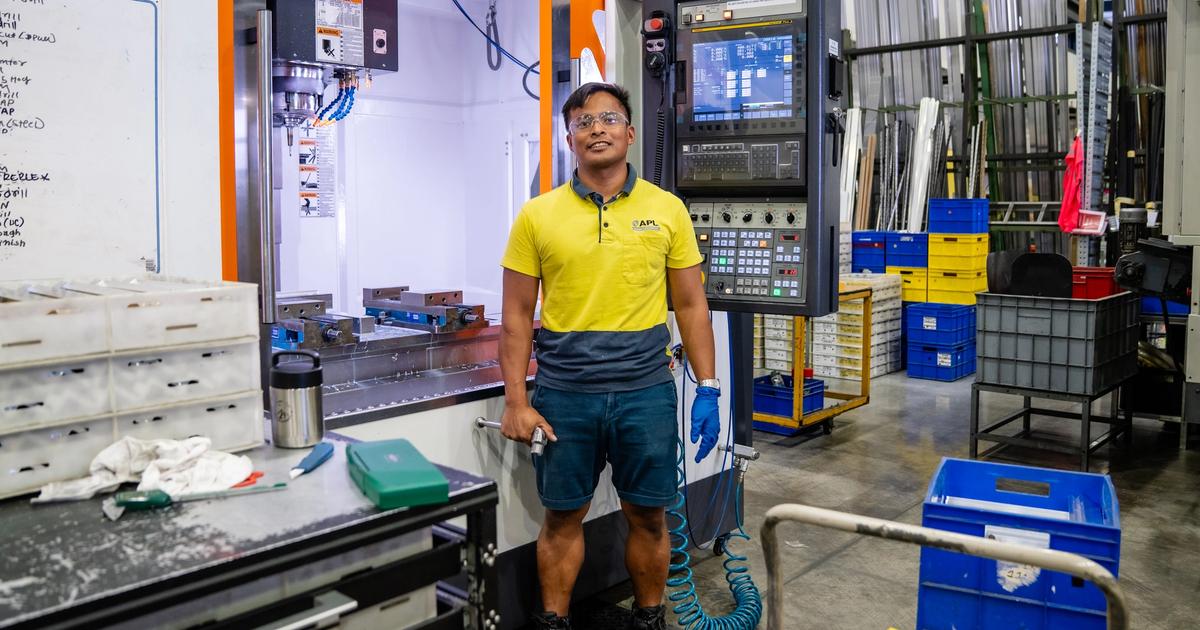
At APL Manufacturing, introducing real-time data harvesting on the factory floor helped lift operational performance from around 60% into the high 90s — and sustain it there.
Not through one big investment. But through many small, deliberate steps focused on visibility, flow, and decision-making, where the work actually happens.
Why the jump matters
Moving from 60% to 99% isn’t just a headline.
It means:
- fewer defects leaving the building
- less time spent reworking or firefighting
- more certainty for customers
- less pressure on people at the end of the line
Most importantly, it builds trust.
When teams can rely on what the data is telling them — and see the impact of their changes — confidence grows. So does momentum.
Data works best when it’s human
One of the biggest myths is that data-driven manufacturing sidelines people.
In practice, the opposite is true.
The best-performing systems:
- are designed with operators, not imposed on them
- surface insights people can act on immediately
- support judgment instead of replacing it
When people understand what the data is showing — and why it matters — they engage with it.
They don’t just follow the process. They improve it.
AI, vision systems, and digital proof
Data becomes even more powerful when paired with the right tools.
Across New Zealand manufacturing, practical applications of AI are already in use:
- cameras verifying finished products against work instructions
- machine learning flagging anomalies before shipment
- digital proof replacing manual sign-offs
These systems don’t remove accountability. They strengthen it.
Quality becomes something you can demonstrate — not just assume.
The supply chain doesn’t stop at the gate
One of the quieter shifts happening now is how data travels beyond the factory.
By embedding digital identifiers — like NFC chips — into products, manufacturers can carry information forward:
- where a product came from
- how it was made
- which batch it belongs to
- who supplied which component
That transparency improves trust across the supply chain and creates shared responsibility for quality.
Data stops being internal reporting. It becomes a shared language.
Why small projects win
The most successful manufacturers don’t try to “digitise everything”.
They:
- break the work into manageable pieces
- test improvements quickly
- build confidence as they go
This approach lowers risk, builds capability, and keeps people on board.
It also proves an important point: you don’t need to wait until you’re “ready” to start.
Readiness is built by doing.
Why this matters for New Zealand
For a country that competes on quality, agility, and trust, data-enabled manufacturing is a strategic advantage.
It allows businesses to:
- lift productivity without burning people out
- scale capability without losing control
- export confidence, not just product
And it reinforces something New Zealand manufacturing does well: smart, practical innovation that fits our scale.
Why these stories matter
The Future Makers, led by Advancing Manufacturing Aotearoa, exists to surface these kinds of shifts — not as theory, but as lived experience.
By sharing how manufacturers are using data, AI, and digital systems in grounded, human ways, The Future Makers helps:
- demystify modern manufacturing
- reduce fear around technology
- show what’s already working
Not hype. Not buzzwords. Just progress.
Data doesn’t replace judgment — it sharpens it
The real value of data isn’t in the numbers themselves.
It’s in what people do with them.
When data helps teams see clearly, act confidently, and improve together, the impact compounds.
From 60% to 99%.From reactive to resilient.From guessing to knowing.
That’s not digital transformation.That’s manufacturing done well.
Make your move. Make your mark.
The future of manufacturing isn’t automated away from people.It’s built with them — one informed decision at a time.